Please note that we use the publisher's publication date in the United States, not copyright dates or non-US publication dates.
The February debut authors and their novels are listed in alphabetical order by author (not book title or publication date). Take a good look at the covers. Voting for your favorite February cover for the 2022 Debut Author Challenge Cover Wars will take place starting in the latter half of February.
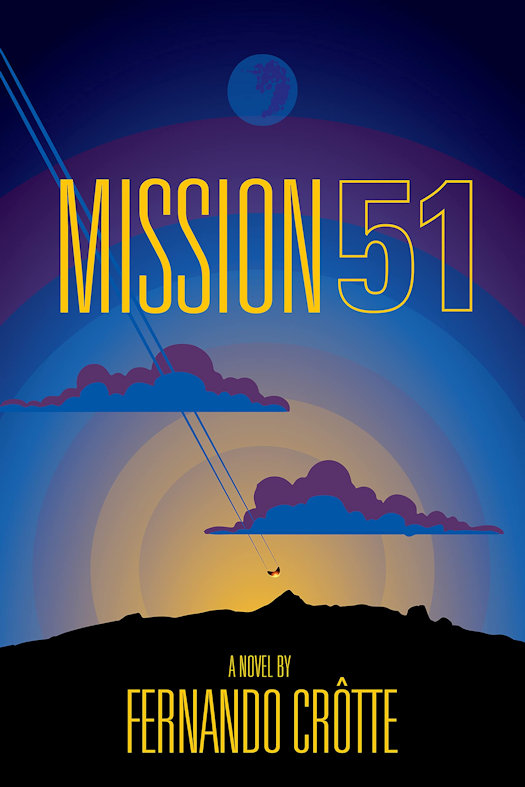
Fernando Crôtte
Mission 51
Inkshares, February 15, 2022
Trade Paperback and eBook, 436 pages
Amazon : Barnes and Noble : Bookshop : Books-A-Million : IndieBound : Powell's
Inkshares, February 15, 2022
Trade Paperback and eBook, 436 pages
Fifty previous Torkiyan missions were obliterated in space, but new technology gives Mission 51 a better chance to reach the legendary planet Cerulea—also known as planet Earth.Zeemat, a peaceful Torkiyan who’d rather hold a paintbrush than a weapon, has been assigned to his planet’s fifty-first mission against his own will. After suffering a catastrophic journey, Zeemat’s spacecraft crashes in what becomes known as Area 51. Taken captive by a rather brutal cohort of FBI agents, he finds a friend only in his gentle and kind translator, Dr. Linda Deltare. As the FBI torture grows increasingly merciless, Zeemat must find a way to escape his holding cell or perish, never to see the outside world he traveled so far to see.In his quest for freedom and happiness, Zeemat must learn to survive in a strange new land and fight against militant forces from both his native and adopted planets.
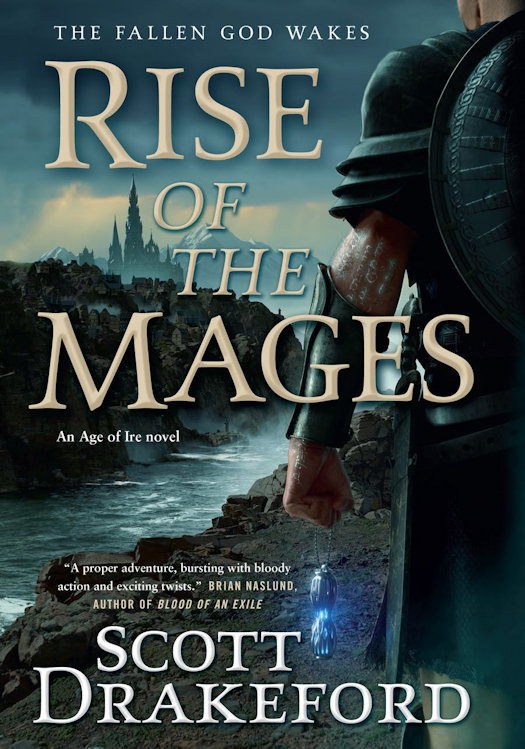
Scott Drakeford
Rise of the Mages
The Age of Ire 1
Tor Books, February 8, 2022
Hardcover and eBook, 400 pages
Amazon : Barnes and Noble : Bookshop : Books-A-Million : IndieBound : Powell's
Google Play : iBooks : Kobo
The Age of Ire 1
Tor Books, February 8, 2022
Hardcover and eBook, 400 pages
Scott Drakeford's epic fantasy debut, Rise of the Mages combines gripping, personal vengeance with compelling characters for an action packed first book in a trilogy.Emrael Ire wants nothing more than to test to be a weapons master. His final exam will be a bloody insurrection, staged by corrupt nobles and priests, that enslaves his brother.With the aid of his War Master tutor, herself an undercover mage, Emrael discovers his own latent and powerful talents.To rescue his brother, Emrael must embrace not only his abilities as a warrior but also his place as last of the ancient Mage Kings—for the Fallen God has returned.And he is hungry.
Google Play : iBooks : Kobo
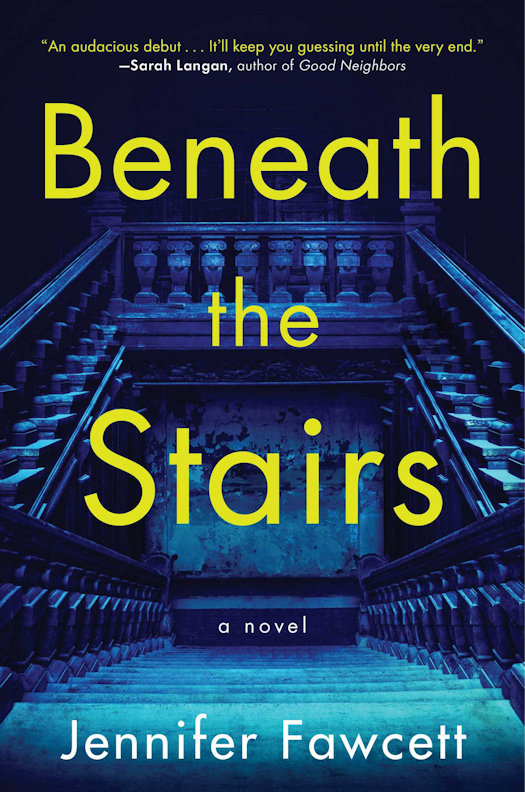
Jennifer Fawcett
Beneath the Stairs
Atria Books, February 22, 2022
Trade Paperback and eBook, 352 pages
Amazon : Barnes and Noble : Books-A-Million : IndieBound : Powell's
Google Play : iBooks : Kobo
Atria Books, February 22, 2022
Trade Paperback and eBook, 352 pages
“An enthralling debut by a gifted storyteller!” —Wendy Walker, author of Don’t Look for MeIn this spine-tingling, atmospheric debut for fans of Jennifer McMahon, Simone St. James, and Chris Bohjalian, a woman returns to her hometown after her childhood friend attempts suicide at a local haunted house—the same place where a traumatic incident shattered their lives twenty years ago.Few in sleepy Sumner’s Mills have stumbled across the Octagon House hidden deep in the woods. Even fewer are brave enough to trespass. A man had killed his wife and two young daughters there, a shocking, gruesome crime that the sleepy upstate New York town tried to bury. One summer night, an emboldened fourteen-year-old Clare and her best friend, Abby, ventured into the Octagon House. Clare came out, but a piece of Abby never did.Twenty years later, an adult Clare receives word that Abby has attempted suicide at the Octagon House and now lies in a coma. With little to lose and still grieving after a personal tragedy, Clare returns to her roots to uncover the darkness responsible for Abby’s accident.An eerie page-turner, Beneath the Stairs is about the trauma that follows us from childhood to adulthood and returning to the beginning to reach the end.
Google Play : iBooks : Kobo
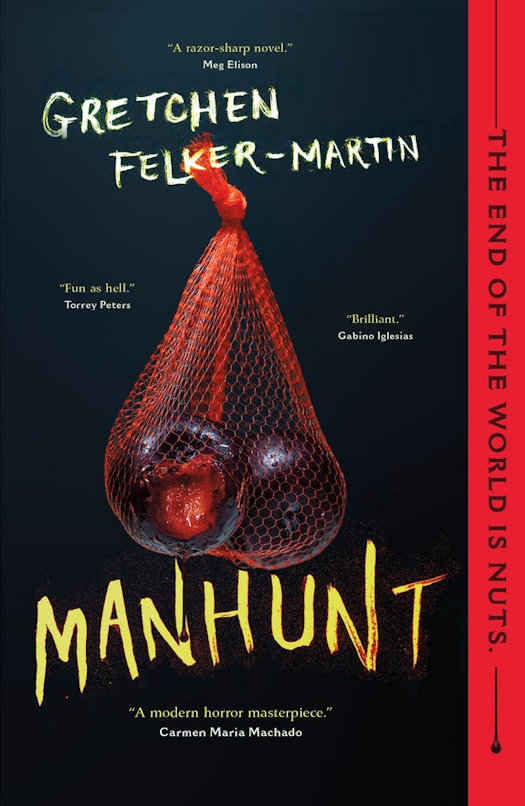
Gretchen Felker-Martin
Manhunt
Tor Nightfire, February 22, 2022
Trade Paperback and eBook, 304 pages
Amazon : Barnes and Noble : Bookshop : Books-A-Million : IndieBound : Powell's
Google Play : iBooks : Kobo
Tor Nightfire, February 22, 2022
Trade Paperback and eBook, 304 pages
STARRED Reviews in Library Journal and Booklist!
A Most-Anticipated Title in CrimeReads, BookRiot, Tor.com, Electric Lit, and more.
Featured in Autostraddle, Apartment Therapy, Goodreads, and more.Gretchen Felker-Martin's Manhunt is an explosive post-apocalyptic novel that follows trans women and men on a grotesque journey of survival.“A modern horror masterpiece.” —Carmen Maria Machado, bestselling author of In the Dream House“Keeps up a relentless velocity while just being plain fun as hell.”—Torrey Peters, author of Detransition, Baby“Timely and necessary, this is extreme horror that says something. Listen to it.”—Gabino Iglesias, author of Coyote SongsBeth and Fran spend their days traveling the ravaged New England coast, hunting feral men and harvesting their organs in a gruesome effort to ensure they'll never face the same fate.Robbie lives by his gun and one hard-learned motto: other people aren't safe.After a brutal accident entwines the three of them, this found family of survivors must navigate murderous TERFs, a sociopathic billionaire bunker brat, and awkward relationship dynamics—all while outrunning packs of feral men, and their own demons.
Google Play : iBooks : Kobo
Sasha Fletcher
Be Here to Love Me at the End of the World
Melville House, February 15, 2022
Trade Paperback and eBook, 272 pages

Barnes and Noble : Bookshop : Books-A-Million : IndieBound : Powell's
Google Play : Kobo
Melville House, February 15, 2022
Trade Paperback and eBook, 272 pages
A love story set in a bad dream about America, concerning permanent debt, secret police, making dinner, and unpaid invoices—right up until the end of the world.It’s Brooklyn. It’s winter. It’s so cold outside you could execute billionaires in the street about it. Sam lives with Eleanor and they are in love. He has three or four outstanding invoices that would each cover rent for a month. At some point, the President is going to make some absolutely wild announcements that will only end in doom.In a surreal, funny, and heart-breaking version of reality, Sasha Fletcher’s highly anticipated first novel occupies that rare register that manages to speak to an increasingly incomprehensible world.Through scenes that poetically transform the mundane into the sublime and the absurd into the tragic, Be Here to Love Me at the End of the World is about the exquisite beauty of being in love in a world that is falling apart.
Google Play : Kobo
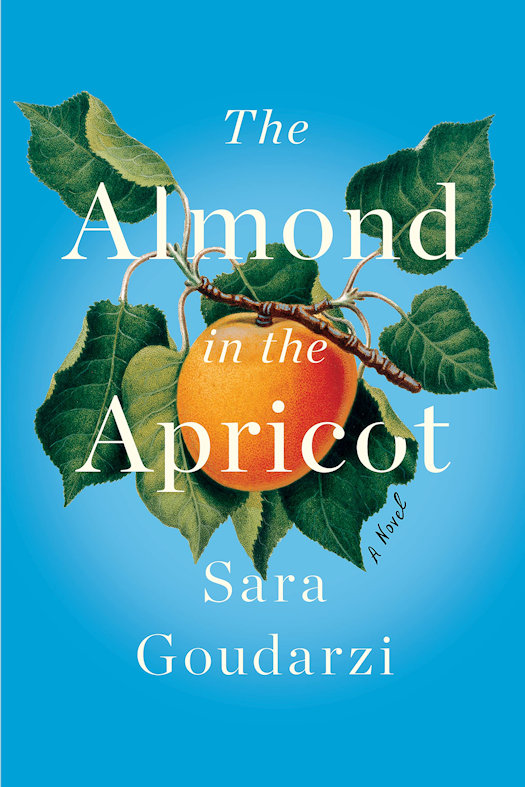
Sara Goudarzi
The Almond in the Apricot
Deep Vellum Publishing, February 15, 2022
Hardcover and eBook, 252 pages
Amazon : Barnes and Noble : Bookshop : Books-A-Million : IndieBound : Powell's
Google Play : Kobo
Deep Vellum Publishing, February 15, 2022
Hardcover and eBook, 252 pages
Emma had the perfect trifecta: a long-term job as an engineer designing sewers; a steady relationship with her reliable boyfriend; and an adoring and creative best friend (about whom she wasn’t quite ready to admit her unrequited feelings). Then early one morning, a phone call changed her world forever.Now she’s having nightmares that threaten to disrupt the space-time continuum –– nightmares of hiding from bombs in basements, of glass shattering from nearby explosions. But these disturbing dreams, in which she inhabits the body of a young girl named Lily, seem all too real, and Emma’s waking life begins to be affected by the events that transpire in this mysterious wartime landscape. Convinced she has been given a chance to save a life, Emma tries to rescue Lily from heartache, but ultimately it is through Lily that Emma finds her way back.The Almond in the Apricot navigates connections formed across space and time and explores love, grief, and the possibility that the universe might be bigger than either Emma or Lily ever imagined.
Google Play : Kobo
Emme Lund
The Boy with a Bird in His Chest
Atria Books, February 15, 2022
Hardcover and eBook, 320 pages

Amazon : Barnes and Noble : Bookshop : Books-A-Million : IndieBound : Powell's
Google Play : iBooks : Kobo
Atria Books, February 15, 2022
Hardcover and eBook, 320 pages
“A modern coming-of-age full of love, desperation, heartache, and magic” (Andrew Sean Greer, Pulitzer Prize–winning author) about “the ways in which family, grief, love, queerness, and vulnerability all intersect” (Kristen Arnett, New York Times bestselling author). Perfect for fans of The Perks of Being a Wallflower and The Thirty Names of Night.Though Owen Tanner has never met anyone else who has a chatty bird in their chest, medical forums would call him a Terror. From the moment Gail emerged between Owen’s ribs, his mother knew that she had to hide him away from the world. After a decade spent in hiding, Owen takes a brazen trip outdoors in the middle of a forest fire, and his life is upended forever.Suddenly, Owen is forced to flee the home that had once felt so confining and hide in plain sight with his uncle and cousin in Washington. There, he feels the joy of finding a family among friends; of sharing the bird in his chest and being embraced fully; of falling in love and feeling the devastating heartbreak of rejection before finding a spark of happiness in the most unexpected place; of living his truth regardless of how hard the thieves of joy may try to tear him down. But the threat of the Army of Acronyms is a constant, looming presence, making Owen wonder if he’ll ever find a way out of the cycle of fear.A heartbreaking yet hopeful novel about the things that make us unique and lovable, The Boy with a Bird in His Chest grapples with the fear, depression, and feelings of isolation that come with believing that we will never be loved, let alone accepted, for who we truly are, and learning to live fully and openly regardless.
Google Play : iBooks : Kobo
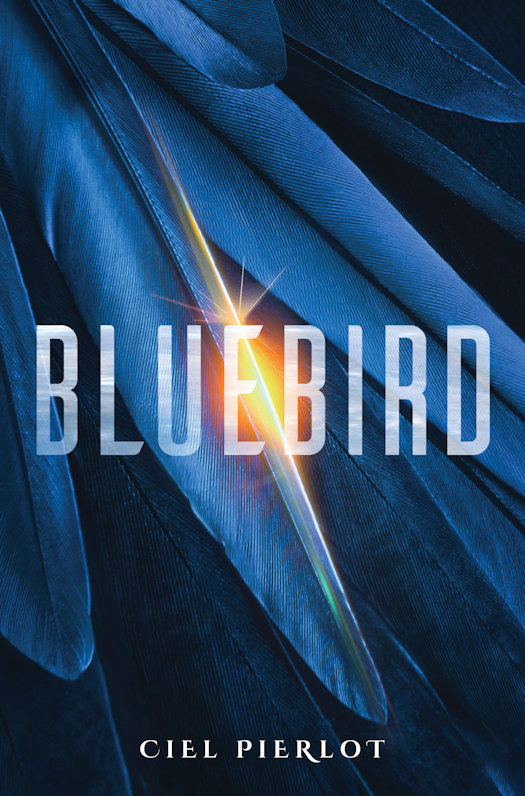
Ciel Pierlot
Bluebird
Angry Robot, February 8, 2022
Trade Paperback and eBook, 400 pages
Amazon : Barnes and Noble : Books-A-Million : IndieBound : Powell's
Google Play : Kobo
Angry Robot, February 8, 2022
Trade Paperback and eBook, 400 pages
Lesbian gunslinger fights spies in space!Three factions vie for control of the galaxy. Rig, a gunslinging, thieving, rebel with a cause, doesn’t give a damn about them and she hasn’t looked back since abandoning them three years ago.That is, until her former faction sends her a message: return what she stole from them, or her twin sister will die.Rig embarks on a journey across the galaxy to save her – but for once she’s not alone. She has help from her network of resistance contacts, her taser-wielding librarian girlfriend, and a mysterious bounty hunter.If Rig fails, trillions of lives will be lost – including her sister’s. But if she succeeds, she might just pull the whole damn system down around their ears. Either way, she’s going to do it with Panache and Pizzazz.File Under: Science Fiction [ Independent Women | Robbing Hood | Keep Your Enemies Close | Guns Don’t Kill People ]
Google Play : Kobo
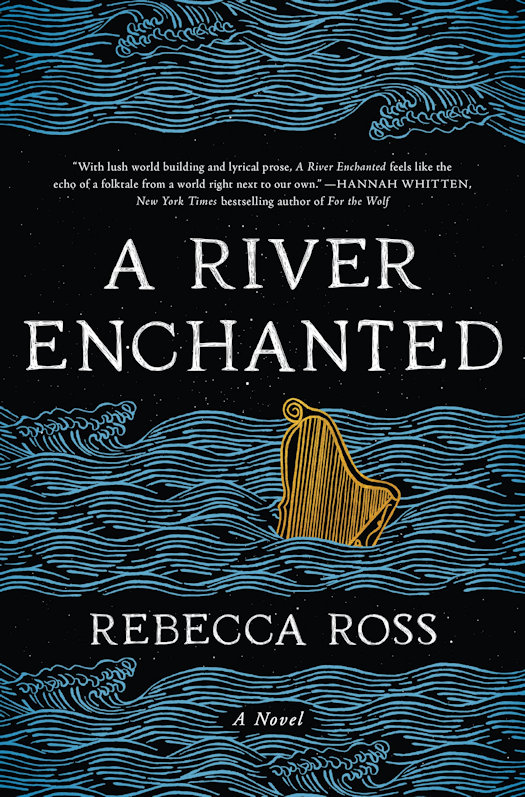
Rebecca Ross
A River Enchanted
Elements of Cadence 1
Harper Voyager, February 15, 2022
Hardcover and eBook, 480 pages
Amazon : Barnes and Noble : Bookshop : Books-A-Million : IndieBound : Powell's
Google Play : iBooks : Kobo
Elements of Cadence 1
Harper Voyager, February 15, 2022
Hardcover and eBook, 480 pages
“With lush world building and lyrical prose, A River Enchanted feels like the echo of a folktale from a world right next to our own.” —Hannah Whitten, New York Times bestselling author of For the WolfHouse of Earth and Blood meets The Witch's Heart in Rebecca Ross’s brilliant first adult fantasy, set on the magical isle of Cadence where two childhood enemies must team up to discover why girls are going missing from their clan.Jack Tamerlaine hasn’t stepped foot on Cadence in ten long years, content to study music at the mainland university. But when young girls start disappearing from the isle, Jack is summoned home to help find them. Enchantments run deep on Cadence: gossip is carried by the wind, plaid shawls can be as strong as armor, and the smallest cut of a knife can instill fathomless fear. The capricious spirits that rule the isle by fire, water, earth, and wind find mirth in the lives of the humans who call the land home. Adaira, heiress of the east and Jack’s childhood enemy, knows the spirits only answer to a bard’s music, and she hopes Jack can draw them forth by song, enticing them to return the missing girls.As Jack and Adaira reluctantly work together, they find they make better allies than rivals as their partnership turns into something more. But with each passing song, it becomes apparent the trouble with the spirits is far more sinister than they first expected, and an older, darker secret about Cadence lurks beneath the surface, threatening to undo them all.With unforgettable characters, a fast-paced plot, and compelling world building, A River Enchanted is a stirring story of duty, love, and the power of true partnership, and marks Rebecca Ross’s brilliant entry on the adult fantasy stage.
Google Play : iBooks : Kobo
Richard Swan
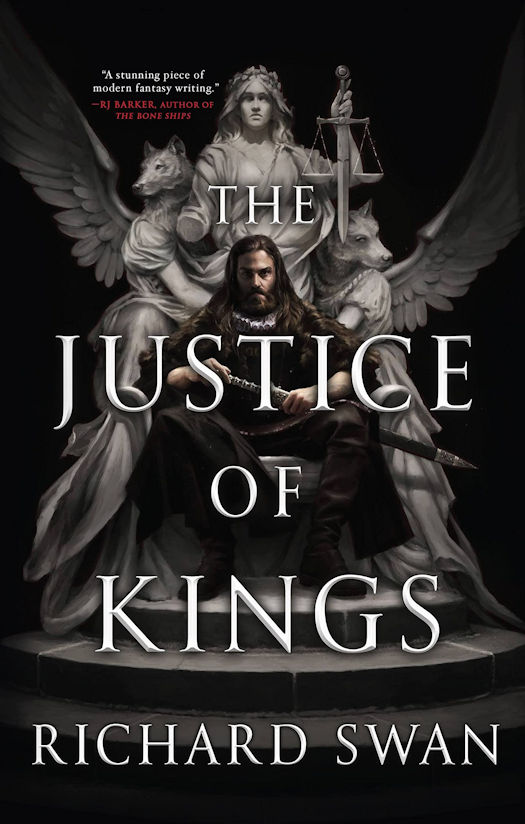
The Justice of Kings
Empire of the Wolf 1
Orbit, February 22, 2022
Hardcover and eBook, 432 pages
Amazon : Barnes and Noble : Bookshop : Books-A-Million : IndieBound : Powell's
Google Play : iBooks : Kobo
Empire of the Wolf 1
Orbit, February 22, 2022
Hardcover and eBook, 432 pages
From a major new debut author in epic fantasy comes the first book in a trilogy where action, intrigue, and magic collide. The Justice of Kings introduces an unforgettable protagonist destined to become a fantasy icon: Sir Konrad Vonvalt, an Emperor’s Justice, who is a detective, judge, and executioner all in one. But these are dangerous times to be a Justice….“A fantastic debut.” – Peter McLean, author of Priest of BonesThe Empire of the Wolf simmers with unrest. Rebels, heretics, and powerful patricians all challenge the power of the Imperial throne.Only the Order of Justices stands in the way of chaos. Sir Konrad Vonvalt is the most feared Justice of all, upholding the law by way of his sharp mind, arcane powers, and skill as a swordsman. At his side stands Helena Sedanka, his talented protégé, orphaned by the wars that forged the Empire.When the pair investigates the murder of a provincial aristocrat, they unearth a conspiracy that stretches to the very top of Imperial society. As the stakes rise and become ever more personal, Vonvalt and Helena must make a choice: Will they abandon the laws they’ve sworn to uphold, in order to protect the Empire?
Google Play : iBooks : Kobo


